


The Evolution of Hausa Hip-Hop Music in Northern Nigeria
Hausa hip-hop music has grown into one of the most influential music movements in Northern Nigeria. Over the years, the genre has evolved from underground rap culture into a recognized part of the Nigerian entertainment industry. Today, Hausa hip-hop combines local language, modern beats, and cultural storytelling to create a unique sound that connects strongly with young audiences.
In the early stages, Hausa rap music was heavily inspired by American hip-hop culture and mainstream Nigerian rap. Young artists began experimenting with rap flows in the Hausa language while mixing traditional Northern Nigerian expressions with modern street culture. This creative fusion helped the genre stand out from other music styles in the country.
One of the biggest strengths of Hausa hip-hop is its cultural identity. Unlike many mainstream rap songs performed mainly in English, Hausa rappers use local language and relatable expressions that resonate deeply with listeners in Northern Nigeria. This connection allowed the genre to gain strong grassroots support among young people.
RECOMMENDED: Top 15 Trending Afrobeats Songs This Month
As internet access and digital technology improved, Hausa hip-hop artists gained more opportunities to promote their music online. Platforms like YouTube, Audiomack, Spotify, TikTok, and Instagram helped many musicians reach wider audiences beyond Northern Nigeria. Social media also gave independent artists the ability to build fan bases without relying heavily on traditional record labels.
The production quality of Hausa hip-hop has also improved significantly over the years. Producers now combine Afrobeats, trap, Amapiano, and traditional Northern sounds to create modern instrumentals that compete with mainstream African music. Music videos, cover arts, and promotional strategies have also become more professional.
Artists such as DJ AB played a major role in popularizing Hausa hip-hop among younger audiences. His success inspired many upcoming rappers to pursue music professionally while staying connected to their cultural roots.
Another important factor behind the genre’s growth is collaboration. Hausa artists now work with musicians from different parts of Nigeria and Africa, helping their music reach new listeners and expand its influence.
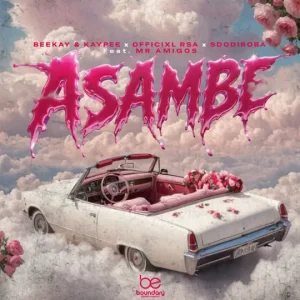
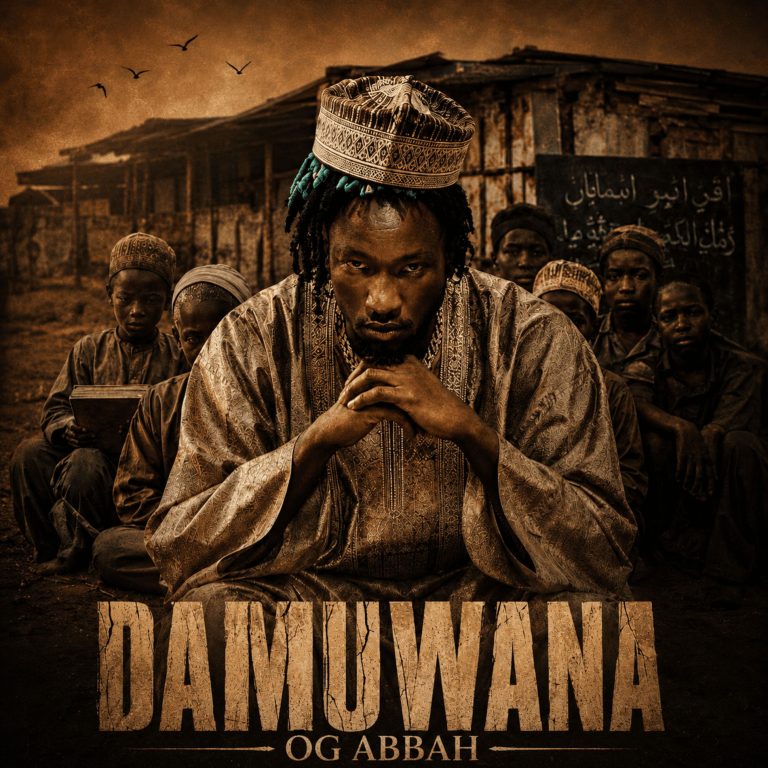
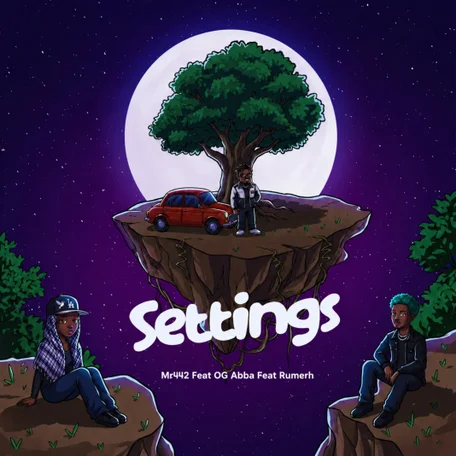
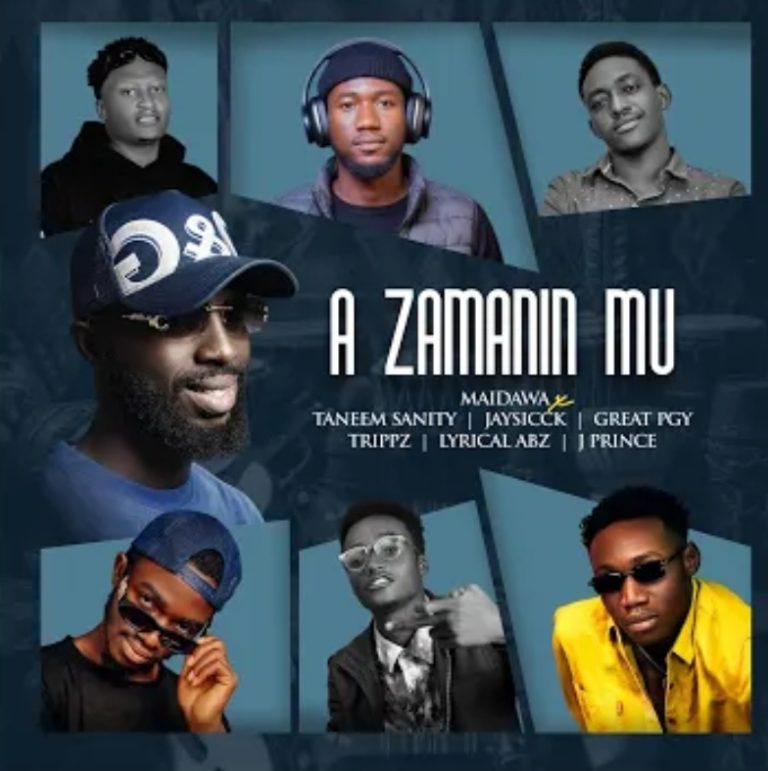
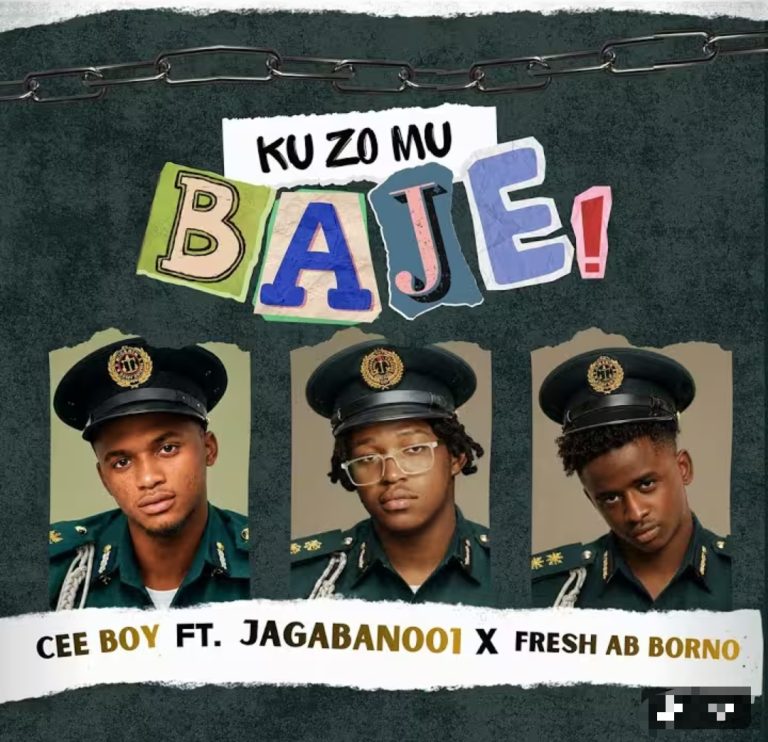
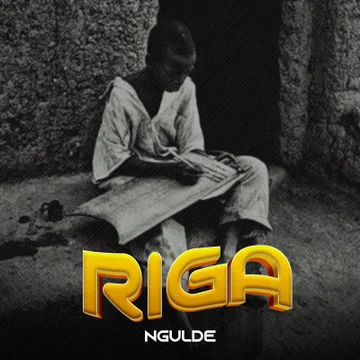
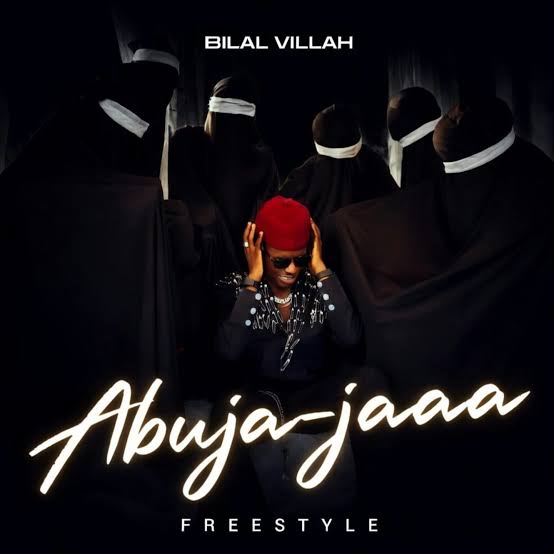
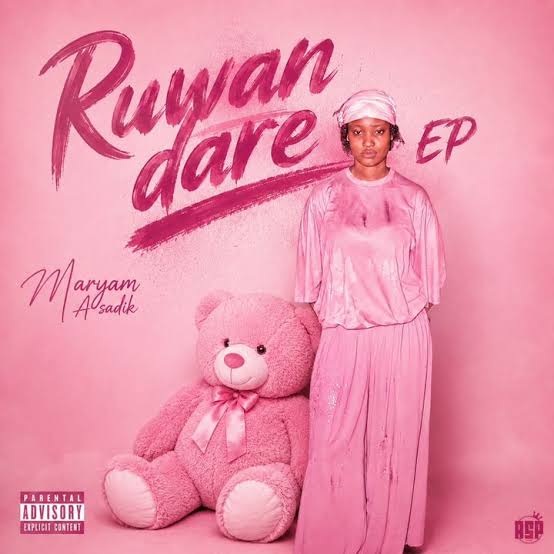
Top 10 Hausa Hip Hop Music
Today, Hausa hip-hop continues to evolve as more talented artists emerge with fresh sounds and creative ideas. The genre represents not only entertainment but also youth expression, cultural pride, and the growing influence of Northern Nigerian music across Africa.






















Be the first to comment